

Dental Implant Failure & Salvage – Georgia
Salvage Your Restoration & Save Your Smile
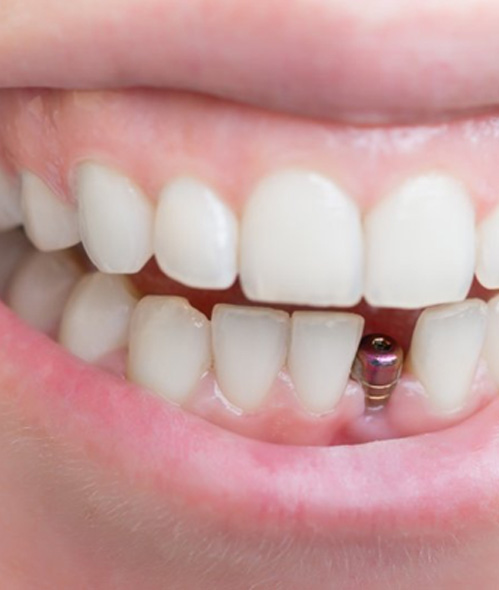
It is extremely unlikely that your dental implant restoration will fail. In fact, this highly advanced treatment has a success rate of 95%. So while you shouldn’t live your life in fear of losing your replacement teeth, it’s important to know what the warning signs are – and that your periodontist in Georgia can provide expert assistance! Give us a call right away if something doesn’t seem quite right with your dental implant. We’ll see you as soon as possible and work diligently to save your smile.
Why Do Dental Implants Fail?
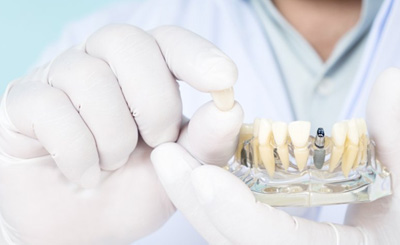
On the rare occasion a dental implant fails, it’s most often due to peri-implantitis. This is when bacteria (typically in the form of gum disease) infect the tissue and bone that help keep the implant in place. As the damage becomes more and more severe, the implant becomes less and less secure. This is why it’s vital to maintain a consistent oral hygiene routine, and to consult with your dentist if you seem to be prone to issues like gum disease.
Other causes of dental implant failure can include failed osseointegration, physical trauma, or medical conditions that weaken the jawbone.
Symptoms of a Failed Dental Implant

Dental implant failure doesn’t always occur immediately after placement. In some cases, patients don’t experience any symptoms until years later. So even if it’s been decades since you’ve completed your treatment, you should still seek prompt care if:
- You’re in severe pain, or your discomfort persists after your mouth heals from implant surgery.
- Your implant or restoration feels loose. More often than not, this has more to do with the size, shape, or adhesion of the restoration, but it’s best to have the issue checked nonetheless.
- You develop signs of infection like bleeding, swelling, pus, or fever.
How Dental Implant Salvage Works
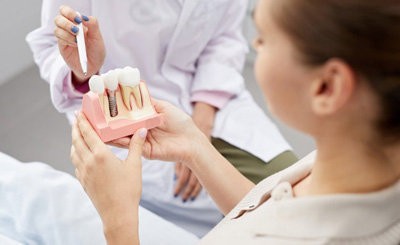
We’re usually able to salvage dental implants by fighting the oral bacteria that are damaging the surrounding tissue and bone. The sooner you contact us for treatment, the more likely it is that we’ll be able to salvage your restoration with a deep cleaning or antibiotics.
If the situation is more severe, we may need to remove the implant entirely. From there, we can better address the problem that’s causing failure, make sure your oral health is in good shape, and replace your restoration once your mouth is able to support it.