

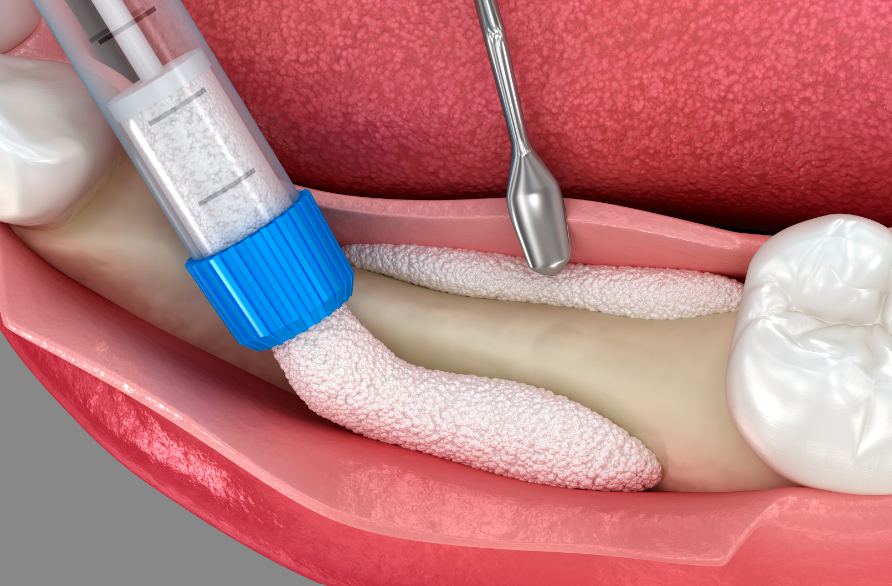
If you’ve been diagnosed with periodontal disease or gum recession, your dentist or periodontist may recommend a gum graft to protect your teeth and improve oral health. While the idea of gum surgery can sound intimidating, many patients are surprised by how manageable the procedure and recovery actually are. Knowing what to expect before, during, and after a gum graft can help ease anxiety and prepare you for a smoother experience.
Why Gum Grafting Is Needed
Gum grafting is commonly recommended when gum tissue has receded, exposing the roots of the teeth. This recession can lead to tooth sensitivity, an increased risk of decay, and further gum and bone loss if left untreated. A gum graft adds healthy tissue to areas where the gums have pulled back, helping protect the tooth roots and stabilize the gum line.
In patients with periodontal disease, gum grafting can play an important role in slowing progression and improving long-term oral health.
What Happens During the Procedure
Before the procedure begins, the area is thoroughly numbed with local anesthesia to keep you comfortable. In many cases, patients report feeling pressure or movement rather than pain. Depending on the type of graft being performed, tissue may be taken from another area of the mouth or from a donor source.
The graft is carefully placed over the exposed root and secured, allowing it to integrate with the existing gum tissue over time. The procedure typically takes one to two hours, depending on how many areas are being treated.
Does a Gum Graft Hurt?
During the procedure itself, discomfort is minimal due to anesthesia. Afterward, it’s normal to experience some soreness, swelling, or tenderness for a few days. The level of discomfort varies from person to person, but most patients describe it as manageable rather than severe.
Sensitivity at the graft site or donor area is common, especially when eating or brushing. This usually improves steadily as healing progresses.
Recovery and Healing After a Gum Graft
The first few days after a gum graft are the most important for healing. Patients are typically advised to stick to soft foods and avoid chewing near the surgical area. Swelling and mild bruising may occur, but these symptoms usually subside within a week.
Cold compresses applied to the outside of the face can help reduce swelling, and over-the-counter pain relievers are often sufficient to manage discomfort. Your provider may also give specific instructions regarding oral hygiene, such as avoiding brushing the grafted area until healing has begun.
Full healing can take several weeks, but most patients are able to return to normal activities fairly quickly.
Why Following Aftercare Instructions Matters
Proper aftercare is essential to the success of a gum graft. Avoiding smoking, following dietary recommendations, and attending follow-up visits all help ensure the graft heals correctly. Skipping aftercare instructions or disturbing the surgical site can delay healing or affect results.
While the recovery process requires some patience, gum grafting is an effective way to reduce discomfort, protect your teeth, and support long-term gum health.
With the right care and expectations, gum grafting is a manageable procedure that offers lasting benefits for your smile.
About the Practice
Find relief and treatment options that work for your health goals at Georgia Periodontics. Dr. Litterer and Dr. Scher specialize in the diagnosis and treatment of periodontal disease, gum recession, and related conditions. Our experienced periodontal team provides advanced procedures such as gum grafting to help patients protect their oral health and restore comfort. With a focus on precision, patient education, and compassionate care, we’re dedicated to supporting healthy gums and confident smiles.
Call us at (810) 720-6433 or request an appointment online.